
Welcome
to
Swan Song
Independent specialty coffee, roasted in Salford.
We source specialty coffees from exceptional producers around the world and roast them in small batches using 100% electric from renewable energy sources in our roasting studio based at Islington Mill Arts Club in Salford, Manchester.
From clean washed coffees to experimental fermentation and processing, every coffee we select has a reason for being here. We work closely with reptuable importers and producers, build long-term relationships and roast each coffee to highlight what makes it unique.
Paving our own path.
Staple
Espresso
Coffee
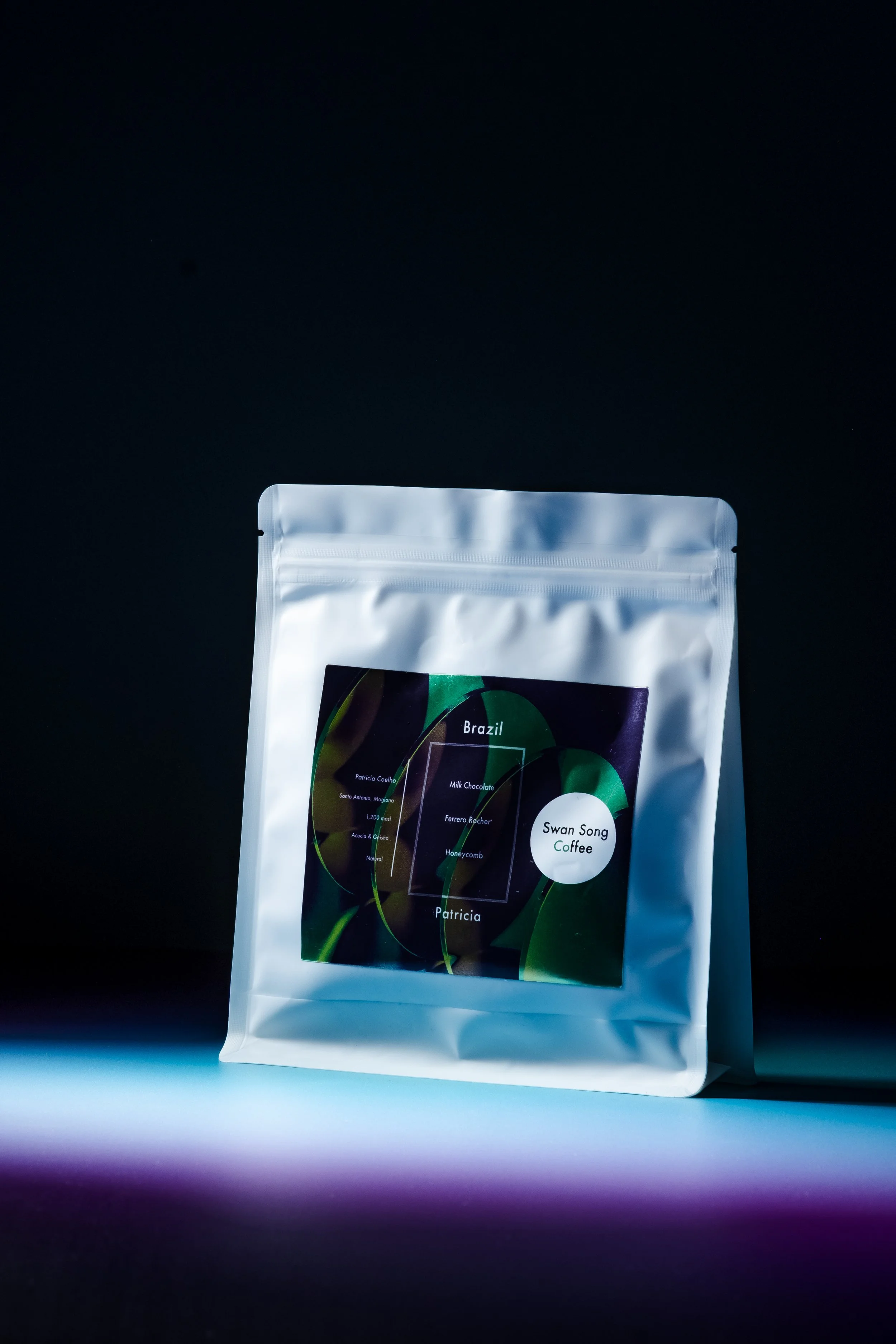
Origin/Region: Brazil. Mogiana, Espirito Santo do Pinhal.
Producer / Farm: Patricia Coelho of Fazenda Santo Antonio
Varietal: Obata Process: Natural.
Altitude: 1200mts Harvest: 2025/2026.
Importer: Bossa Coffee Co Cupping Score: 84.00
FOB(£)/Vol: £8.10/ 4.2 Tonnes. Purchasing Duration: 2020 / 7 years
Roasted for Espresso
We taste: Milk Chocolate, Hazelnut and Honeycomb
The Story:
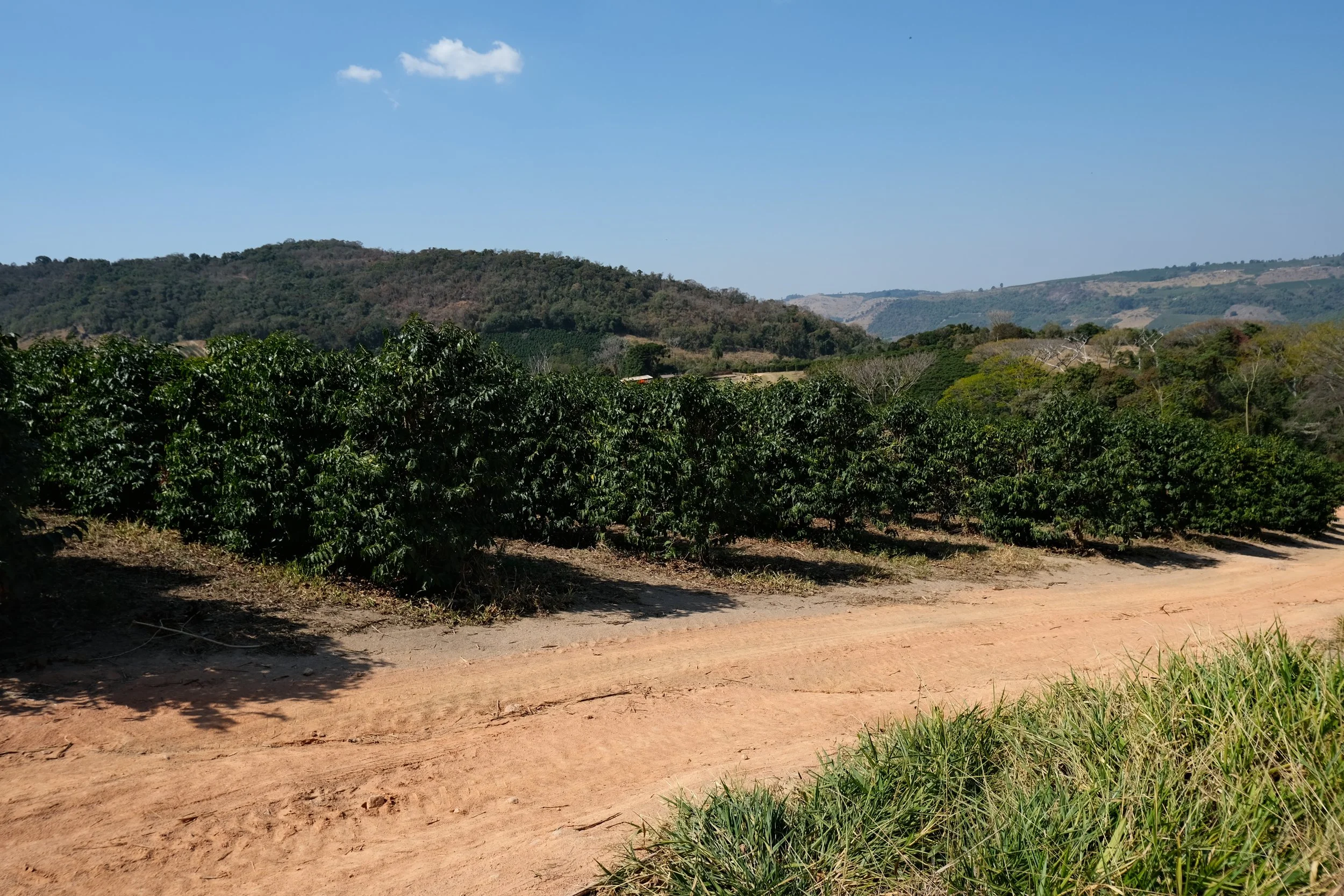
Patricia Coelho is a third-generation producer located in Mogiana, near the city of Espirito Santo do Pinhal. Her farm is named after the chapel on the property dedicated to the patron saint of marriage, Santo Antonio. Her farm is the highest in the region (1200m) extending over 24 hectares and has been in Patricia’s family for over a hundred years. Across the fields, various varietals are grown from Mundo Novo, Yellow Catuai, Yellow Icatu, Tupi, Red Acaia and Geisha.
Since taking over the family business in 2018 from her father, she has taken the farm from stride to stride venturing into the Speciality Market and navigating the issues nearly all women face in lead positions in Latin America. I’m super proud to have sourced all our Brazilian coffee exclusively from Patricia Coelho since 2019 and find myself very lucky to be linked with a farm with over 100 years of history fronted by an immensely hard-working talented female producer. One of the main decisions behind choosing Patricia as the producer was that she is a lifelong friend of Founder of Bossa Coffee Co, Bruna Costa who first introduced this coffee to me many years ago.
This cup of coffee is everything I like about Brazilian coffee. It’s got a heavy chocolate and nutty profile with a sweet honeycomb finish. Reminds me of a Ferrero Rocher for fellow chocolate lovers out there.
Our everyday coffees, roasted for espresso and built to taste great day in, day out.
All these coffee’s are long-term partnerships that we've established over many years and have been instrumental in our growth since 2020 when we begun roasting.
Supporting farmers long-term gives financial securitry and allows us as roasters to develop a real connection with the people and the coffee we work with.
Expect these coffees to be rich, sweet & versatile with familiar flavours of chocolate, nuts, caramel and fruit.
Dependable, approachable and made for your morning espresso or your morning milk/milk alternative based drinks.
Please note all these coffee’s are available via our monthly subscriptions that is roasted and shipped on last Monday of every month.
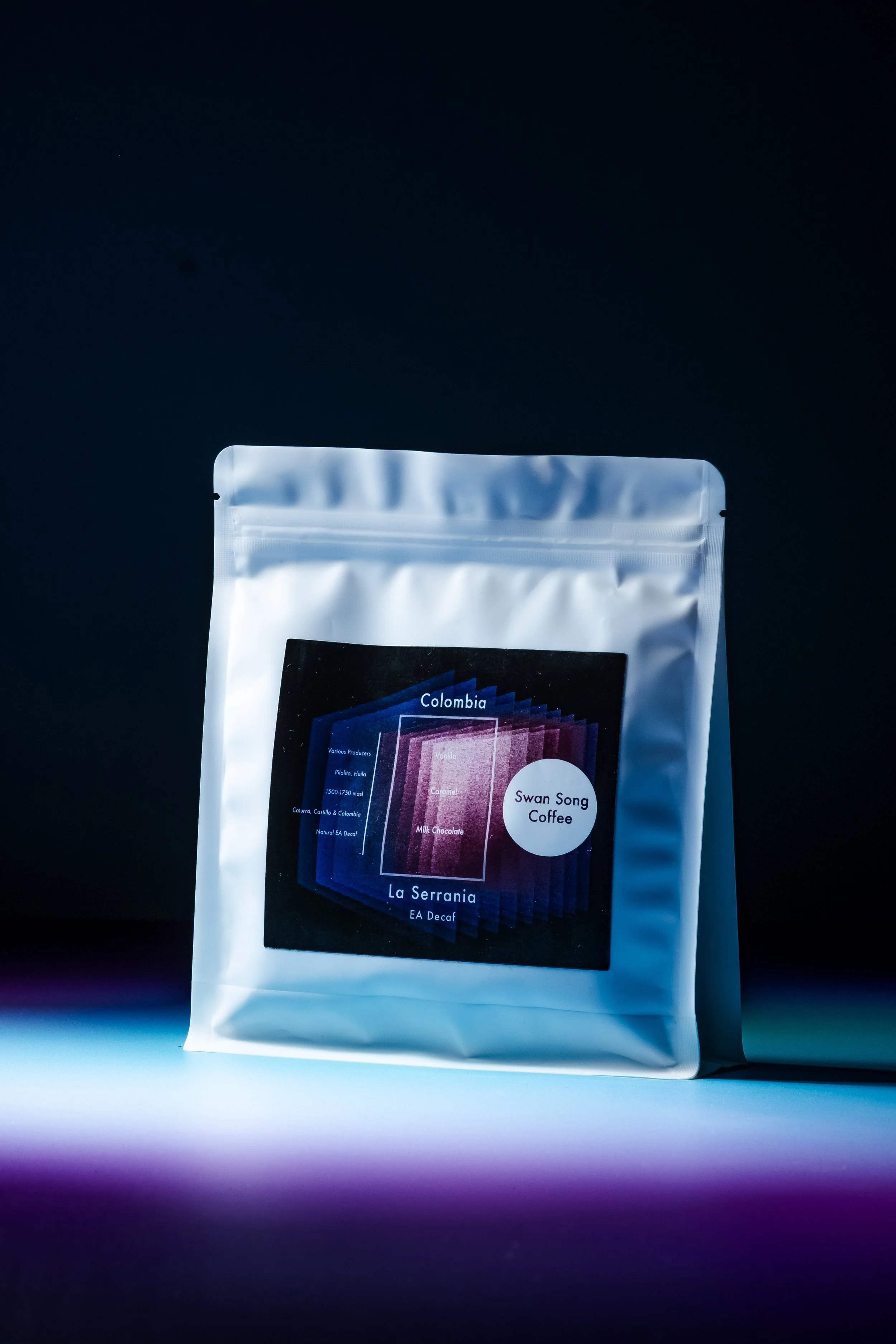
Origin/ Region: Colombia. Pilato, Huila.
Farm/Producer: Various Smallhollders
Varietal: Mixed Varietals. Process: Natural EA Decaf
Altitude: 1500-1750m. Harvest: 2023/2024
Importer: Caravela. Cupping Score: 86.50
FOB(£)/Vol: £9.60 / 120kg. 4 Years Purchasing Concurrently
Roasted for Espresso
We taste Vanilla, Berries & Chocolate.
The Story
La Serranía Decaf is grown along an isolated set of mountains within the central cordillera of the Andes that go through Pitalito, Acevedo, Palestina, Timaná, and Suaza. This coffee represents the work of more than 50 producers who are committed to quality and excellence.
La Serranía is carefully hand-sorted and processed at each individual farm, with special attention paid to the drying process to ensure consistency, uniformity, and a clean cup profile.
La Serranía Decaf is a Natural EA Decaf Coffee, processed at the Descafecol plant in Manizales. The decaffeination process uses ethyl acetate derived 100% from sugar cane mixed with mountain water, together removing 99.7% of the caffeine present.
The beauty of the Natural EA process is that it helps preserve most of the original flavors of the coffee while adding fruity notes and some complexity to the cup. This our 3rd year purchasing this particular lot from this group of small holders and I’m extremely excited at how the flavour keeps on getting better each year.
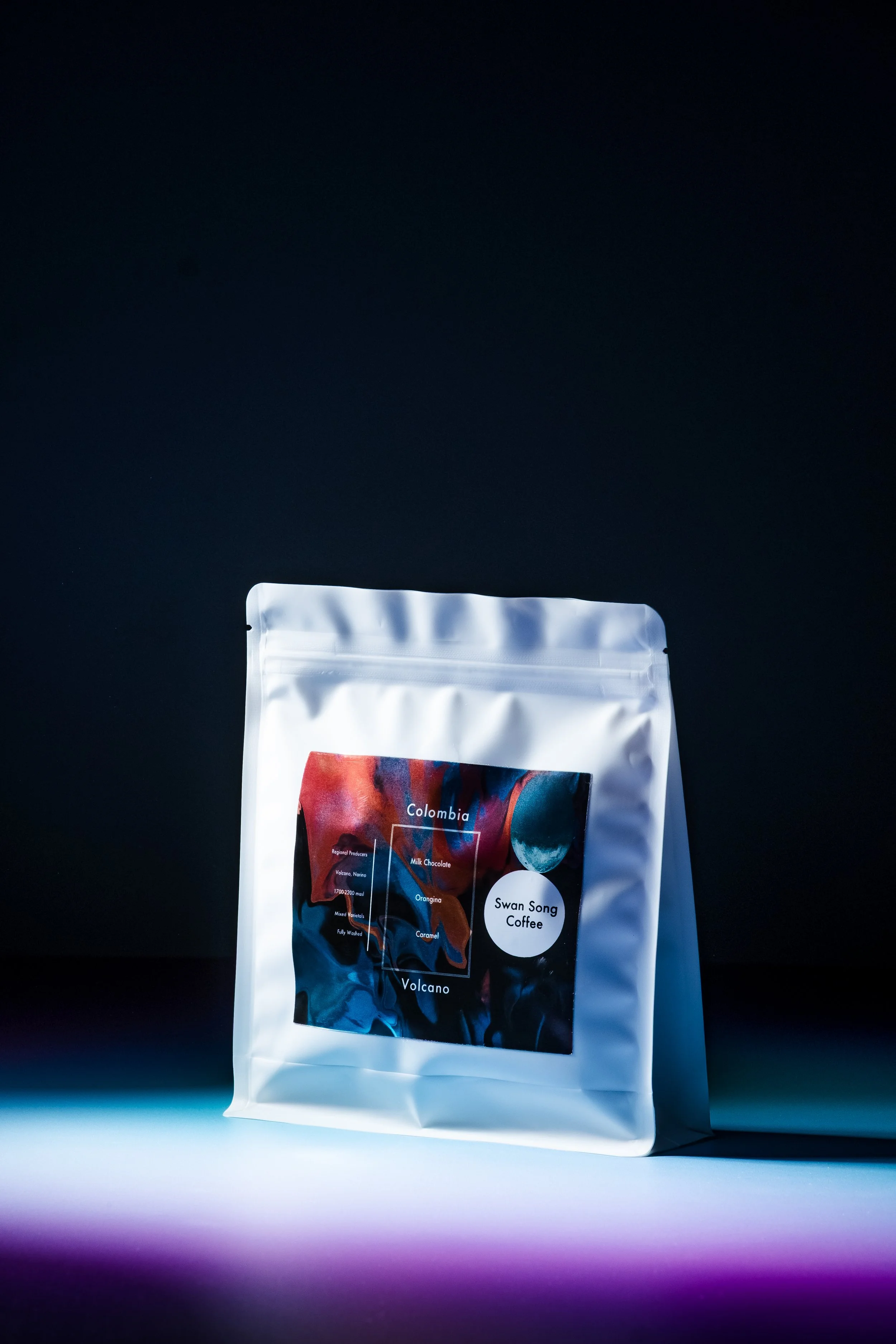
Origin: Colombia
Region: Volcano, Narino
Producer/Farm: Regional Lot
Altitude: 1750-2200m
Varietal: Castillo & Caturra
Process: Fully Washed
Harvest: 2023
Importer: Cofinet
Cupping Score: 84.50
FOB/Volume: £7.50 per Kg / 1.4 Tonnes
Purchasing Duration: 2021/ 3 years
Roasted for Espresso
We taste: Orangina, Shortbread and Milk Chocolate
The Story:
This program is incredibly special for a few reasons. Nariño has the highest altitude at which coffee is grown in Colombia, which means temperatures are quite low. This climate is perfect for the coffee cherry as the bean matures slowly it can have a higher concentration of sugar. Another relevant factor that makes the coffee from this region so unique is the rich soil.
Unlike many regions in Colombia, Nariño’s soil is extraordinarily rich in volcanic ash mainly due to the high volcanic activity in the area. Typically, volcanic ash in the soil is rich in nutrients and contributes to a much healthier plant and higher complexity in the cup. The average size of a farm in the zone we work is approximately less than 1 hectare to 1.5 hectares.
Lighter roasted coffees chosen to let the character and terrior of the coffee shine.
Expect more clarity, acidity and distinctive flavours — from floral and tea-like washed coffees to experimental fermentations and fruit-forward lots. Forward contracted Direct-trade sourcing.
Roasted for filter and light omni brewing, these are coffees to slow down with and explore the magical world of specialty coffee.
Filter
Light Omni
Coffee
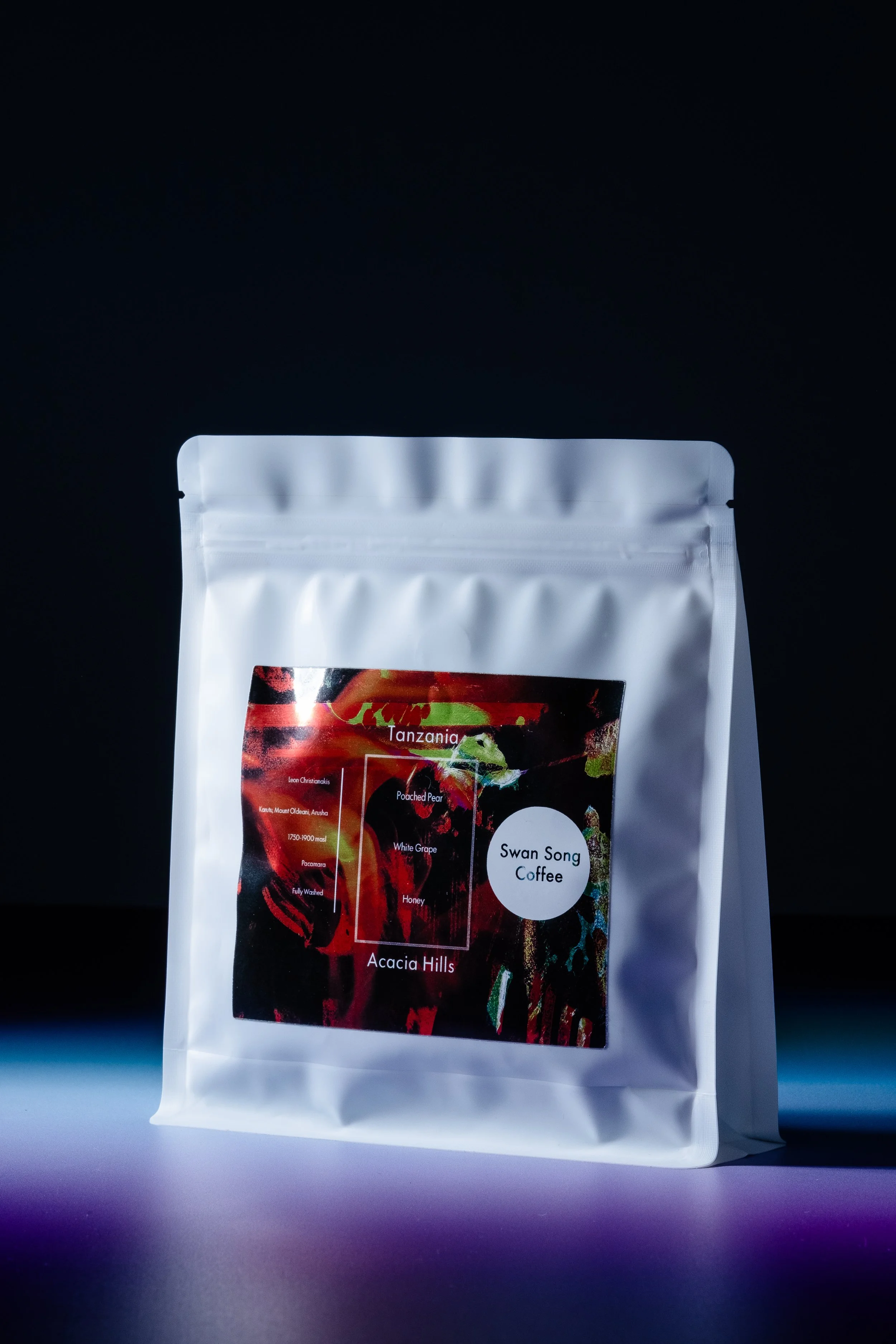
Origin: Tanzania
Region: Mount Oldeani, Arusha
Producer/Farm: Leon Christianakis / Acaia Hills
Altitude: 1800 masl
Varietal: Pacamara
Process: Fully Washed
Harvest: 2024/2025
Importer: Typica
Cupping Score: 85.25
FOB/Volume: £12.50 per Kg / 30 Kilos
Roasted for Espresso and Filter Coffee
We taste: Pear, White Grape & Honey
The Story:
The history of coffee in northern Tanzania dates back to the 19th century. Coffee trees were introduced to Northern Tanzania from Réunion Island, near Madagascar, and immigrants from Germany, the occupying power at the time, developed the industry.
Leon’s grandparents were immigrants who came to Tanzania from Greece around the early 1900s and made a living from coffee production. Leon is the third generation of the family. The family’s house is located on the outskirts of Arusha, near the Kilimanjaro International Airport. His grandfather and father mostly grew coffee in its surrounding plantations, but the land was not suitable for producing high-quality coffee due to its low altitude. Leon learned about the concept of specialty coffee in the 2000s and started looking for lands at high altitudes that could produce higher-quality coffee.
It was around this time that Leon met his current business partner, Mark Stell, at the 2005 EAFCA exhibition (currently known as AFCA). Mark is the founder of Portland Coffee Roasters in the US. Leon and Mark hit it off, and in 2007, they jointly purchased a coffee plantation on Mount Oldeani, which is now known as Acacia Hills. Leon was convinced that if Mark, who knew about roasting, and he, who knew about farming, could work together, they could create a synergy.
There were two reasons why they decided on Oldeani as their new farmland. The first was that the best Tanzanian coffee Mark had ever tasted was from Oldeani. The second reason was that Leon had heard a researcher say that the soil in Oldeani was ideal for growing coffee. The land around Acacia Hills and Tembo Estate borders the Ngorongoro Conservation Area, which is home to many wildlife, including elephants, buffalo, and many more.
Leon rebuilt the rundown farm and began planting high-quality coffee trees, including Kent, SL28, Geisha, and Pacamara. With his dedication and the wonderful natural environment, Acacia Hills grew in coffee quality and production.
Leon’s farm, Acacia Hills, was listed as the winner of a private auction in Tanzania organised by ACE (The Alliance for Coffee Excellence). Tanzania is still in its infancy as a specialty coffee-producing country. This is our first UK-exclusive lot of 2023. It’s a Pacamara varietal that has been Honey processed masterfully by Leon and his team.
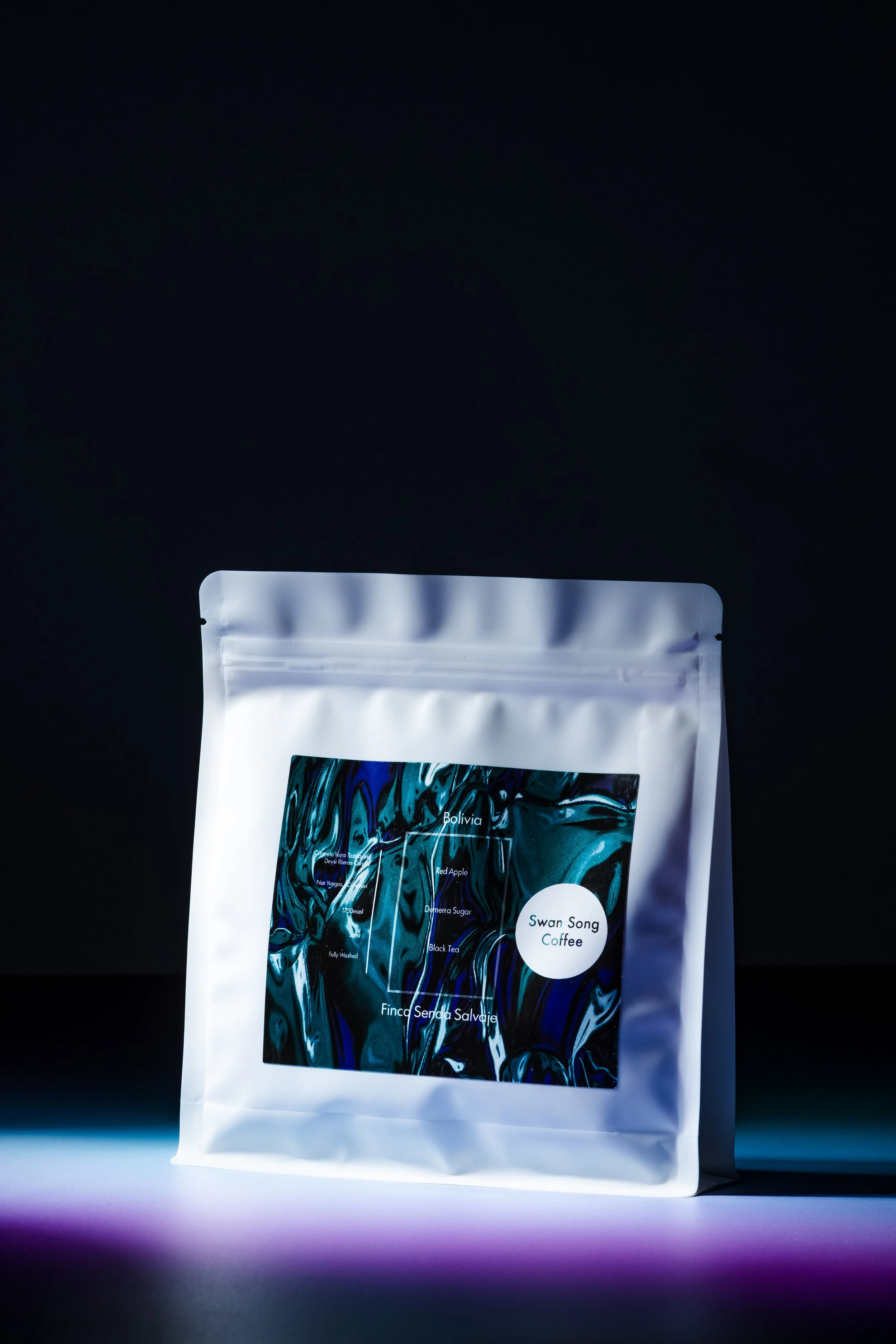
Origin: Bolivia
Region: La Paz
Farm/Producer: Carmelo Yujra Ticona and Deysi Ramos Carrillo
Altitude: 1550-1750masl
Varietal: Java
Process: Fully Washed
Harvest: 2025/2026
Importer: Typica Direct Trade
Cupping Score: 86.00
FOB(£)/Vol: £20.00 / 20kg
Roasted for Espresso & Filter
We taste: Red Apple. Demerra Sugar & Black Tea
The Story:
Finca Senda Salvaje — “Wild Road” — a farm said to be surrounded by wildlife, including jaguars.
The farm is owned by Mr. and Mrs. Carmelo. Mr. Carmelo is regarded as a leader among producers in the Caranavi region, helping support a new generation of coffee producers. Nearby, Andy from 4 Llamas has spent the last two and a half years researching fermentation and processing methods, testing new ideas using Carmelo’s coffees.
This collaboration between generations has helped produce exceptional coffees.
The story of the farm begins more than a decade ago, when he and his wife worked as quality managers for the Cup of Excellence. Inspired by the exceptional coffees they encountered, they decided to begin producing their own. During their work, Carmelo discovered outstanding coffee from an elderly woman’s farm. Unable to continue managing the land herself, she sold the farm to the Carmelo's, who believed the land had extraordinary potential.
The farm’s dark, nutrient-rich soil plays a major role in the quality of the coffee. Carmelo favours the Java variety for its disease resistance, even cherry development, and quick production cycle. Fast-growing ceibo trees provide shade while naturally fertilising the soil as their leaves fall. These conditions are said to contribute to coffees that are expressive and easy to roast. Both Mr. and Mrs. Carmelo come from farming families. Unlike previous generations, who blended all coffees together, Carmelo began separating lots by variety and refining fermentation methods — a decision that transformed quality. He hopes the next generation will continue improving on what has already been built and continue the legacy started generations before.
Although the family once exported coffee to Canada, the U.S., and Japan, coffee leaf rust devastated production six years ago, forcing them to focus entirely on the domestic market. This lot for TYPICA marked their first export in years. Carmelo expressed a desire to work with long-term partners built on trust and for us this is everything we look for when choosing producers to work with.
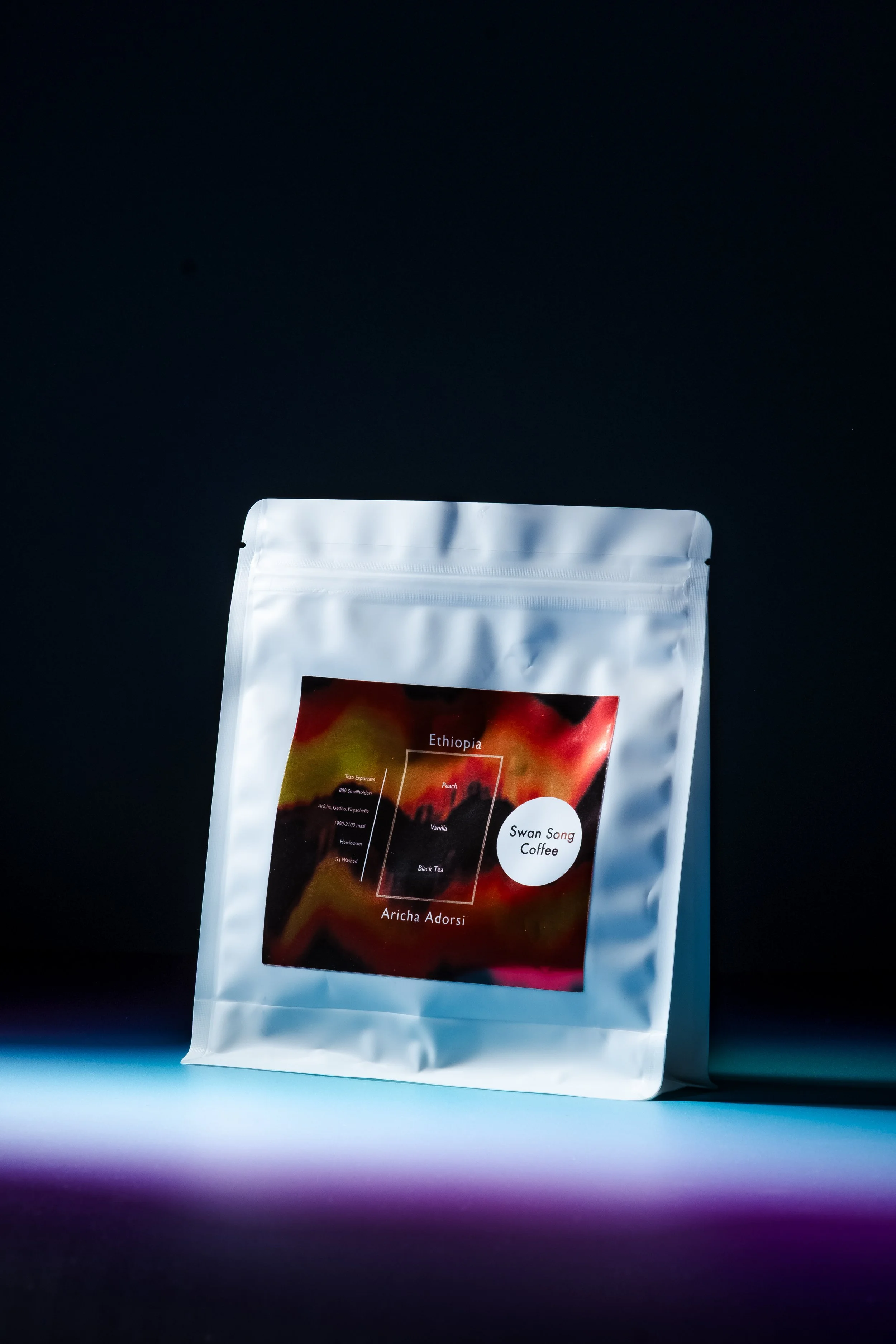
Origin: Ethiopia
Region: Guji, Oromia
Producer/Farm: 600 Smallholders
Altitude: 2250m
Varietal: Heirloom Varietals
Process: Washed
Harvest: 2025/2026
Importer: Wete Ambela Coffee
Cupping Score: 86.00
FOB/Volume: £9.50 per Kg / 60 Kilos
Roasted for Espresso and Filter
We taste: Peach, Lemon and Black Tea.
The Story:
Aricha Adorsi from Gedeo, Ethiopia makes its debut into our filter line up. Floral and elegantly sweet, we’re excited to bring this delicious coffee into the mix.
The Adorsi Washing Station, located in the area surrounding Yirgacheffe town, produces this washed lot using cherries purchased from farmers in Aricha village. Each receiving day, Adorsi takes cherries from a sample of the area’s 800 farmers, with the team sorting them on intake by hand, as they float in water. A disc de-pulper then removes the majority of the skin and fruit.
At this stage, Adorsi Washing Station diverges a little from the regional norm: a submerged fermentation of 100 hours digests the last bit of mucilage. This relatively long, slow process is facilitated by replacing the fermentation water with fresh water every 24 hours, essentially creating four different stages in the process. Washed and then evenly dried over several weeks, the resulting coffee is emblematic of Gedeo’s prized terroir, with clean notes of bergamot and stone fruit.
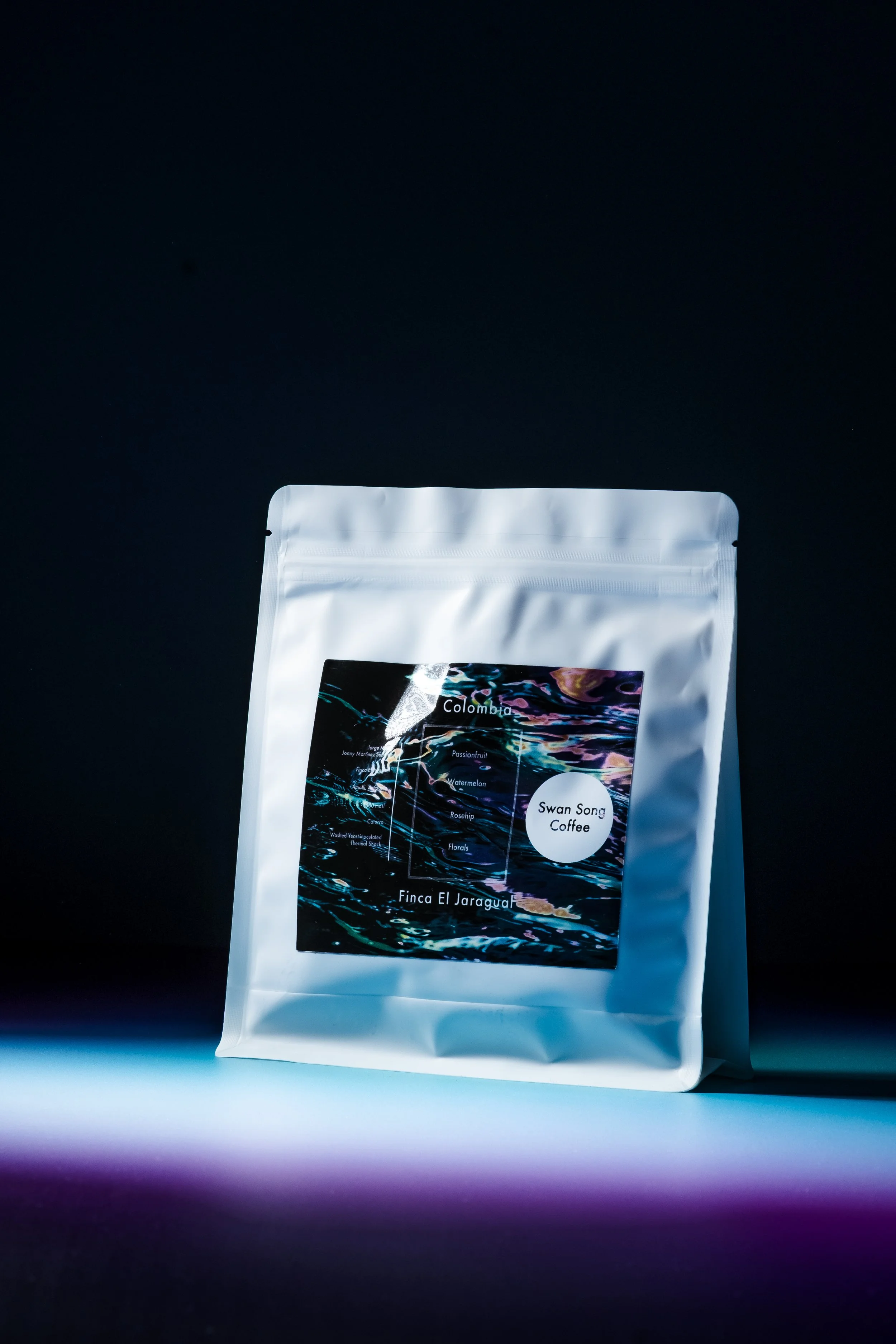
Origin/Region: Colombia. Amalfi, Antioquia
Farm/Producer: Finca El Jaragual / Jorge Mira & Jonny Martinez
Varietal: Castillo Process: Washed Innoculated Yeast Thermal Shock
Altitude: 1500m Harvest: 2023/2024
Importer: MiCafe Trading Co. Cupping Score: 86.50
FOB(£)/Vol: £11.50/ 70kg
Roasted for Espresso & Filter
We taste: Passionfruit, Mango & Tropical
The Story
I met Jonny Martinez of MiCafe Trading Co when he stopped by the roastery with some samples a few years ago just when he’d begun. His import company is the exclusive source for Wilton Benetiz and Granja Paraiso 92. A world-renowned producer and farm that is has been everywhere the past few years. I’ve had the pleasure of roasting many different coffee’s from Wilton and am happy to call Jonny a good friend whose family farm, Finca El Jaragual is going to be one you see for many years.
Finca El Jaragual sits at 1500 MASL in the Amalfi municipality of Antioquia, Colombia. The farm is named after Jaragual grass - an African wild grass that has become naturalised to Colombia, frequently grown for feedstock and fodder, drought resistant and hardy. The farm was originally a 150-hectare plot until Jorge acquired 90 HA nearly a decade ago. In 2019 Jonny and his brother purchased 60 HA - with all the work since then being to convert the farm back to coffee production. The vast majority of El Jaragual is forest - Jorge’s experience is as a forestry engineer. So he has planted a mixture of pine forest plantations to be grown for sustainable timber alongside the protected native forest.
The processing at El Jaragual has been done with a deft touch - extended ferments, yeast inoculation, and some thermal control (hot water washes, cold water crashes) to modulate the fermentation rate and green porosity, but without any trace of funk or boozy character.
Overall, an increased amount of technical intervention in the processing, but not on the level of bioreactors and lab plants - a nice bridge between the classic style of processing and the new, something we can get full throttle behind in supporting.
Having tasted this first harvest from Jaragual, we’re certain it’s going to join the pantheon of World Class Farms, and we'll do our best to help promote that.
PROCESS:
Harvesting: This is carried out ensuring a minimum of 90% ripe cherry.
Floating: This ensures the removal of green, overripe, and dry cherries.
Oxidation: This is done in food-grade plastic drums for 24 hours.
Pulping: The cherries are pulped dry.
Oxidation after pulping: For 24 hours in order to remove the mucilage. The coffee is then washed at temperatures of 45°C, creating a thermal shock.
Fermentation: For 48 hours at temperatures below 25°C with specific yeast.
Fermentation completion: After 48 hours, the coffee is washed at temperatures of 5°C to seal the fermentation.
Drying: After the 48 hours of fermentation, the coffee goes into drying, which is carried out for 76 hours at average temperatures of 40°C.
Stabilisation: This is done in grainpro-type bags.
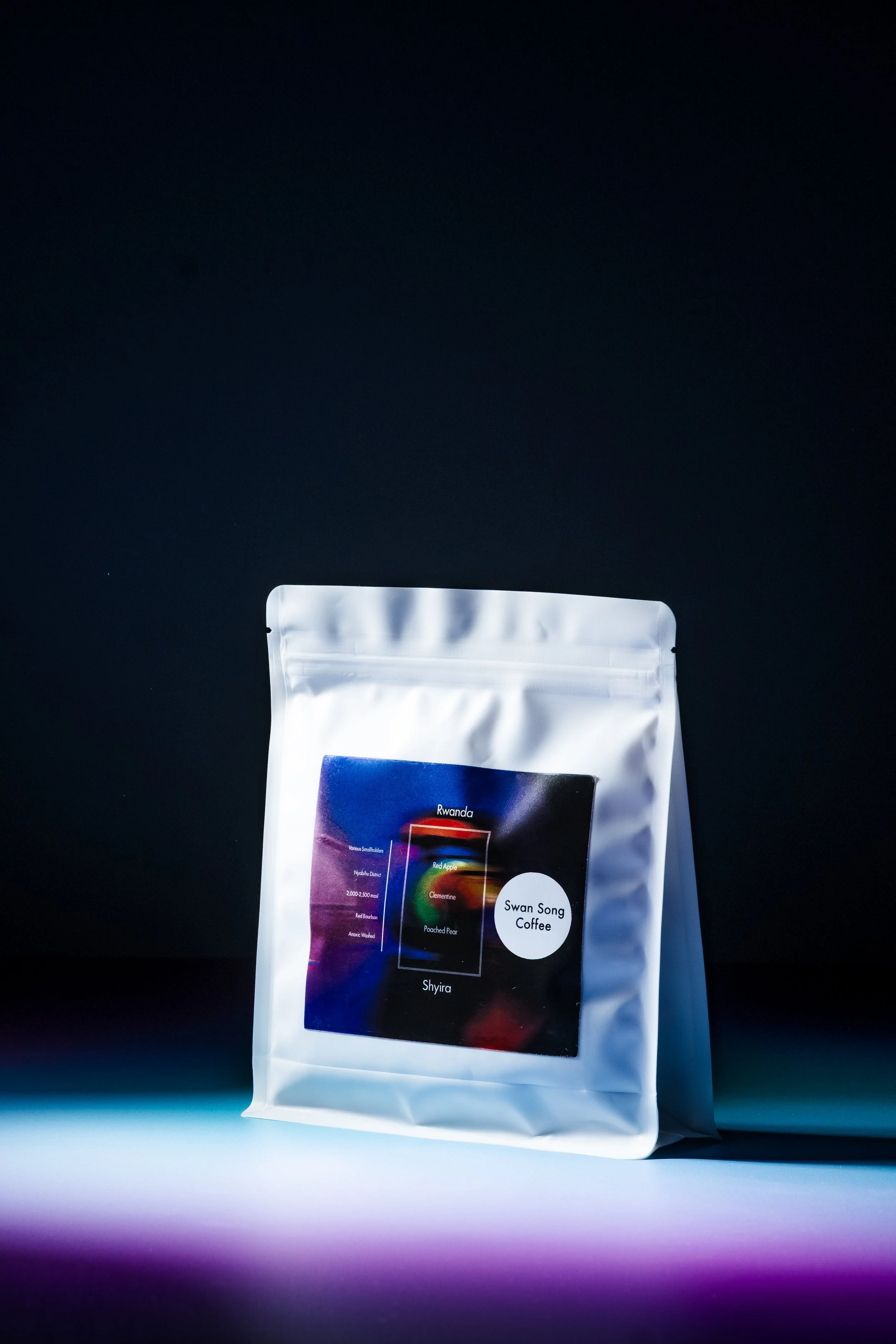
Origin: Rwanda
Region: Nyabihu District, Western Province
Farm/Producer: Produced by Nyamasheke farmers
Altitude: 2000-2400 MASL
Varietal: Red Bourbon
Process: Anoxic Washed
Harvest: 2025/2026
Importer: Raw Material
Cupping Score: 86.75
FOB(£)/Vol: £18.00 / 70kg
Roasted for Espresso & Filter
We taste: Red apple, Clementine and Poached Pear
The Story
Shyira is one of Rwanda’s most remote and elevated washing stations, perched at 2,000 metres in the cool, mountainous Nyabihu District.
Cherries are hand-sorted, floated to remove defects, and pulped before undergoing fermentation in concrete tanks for approximately 8 to 12 hours. During fermentation, the parchment is agitated several times through the day by way of ceremonial foot-stomping.
After fermentation, the parchment is separated into density grades, given a final post-wash rinse, and transferred to raised beds for drying. The drying process spans around 30 days, with regular turning to ensure even moisture reduction.
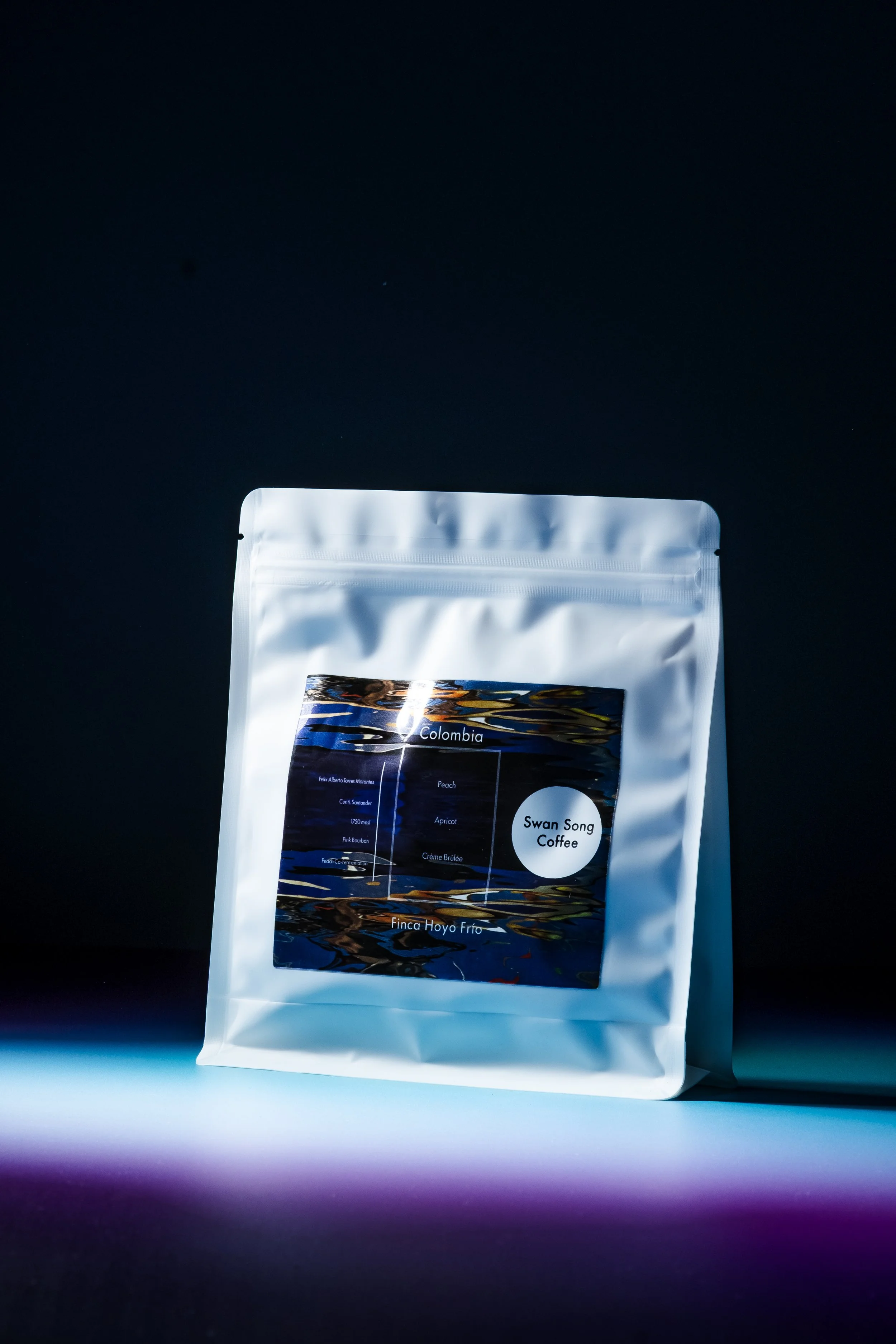
Origin/Region: Colombia. Curiti, Santander
Farm/Producer: Finca Hoyo Frío
Varietal: Pink Bourbon
Process: Peach Co-fermentation
Altitude: 1500m Harvest: 2025/2026
Importer: Algrano. Cupping Score: 87.00
FOB(£)/Vol: £18..00/ 70.00kg
Roasted for Espresso & Filter
We taste: Peach, Apircot & Creme Brulee
The Story
Café de la Torre is coffee producer owned exporters. Started as a business by help get better prices for our father's coffee. The family owns a 10 hectares farm called Finca Hoyo Frío in Curiti, Santander. Having found a good market for his coffees, we now support other producers in Santander and in other areas of the country to sell their beans abroad. All coffees are fully traceable, and priced by the farmers, who own the coffees until they are sold to roasters
I’ve bought plenty of Colombia coffee since Swan Song behan and this is our first time purchasing coffee from Santander, A region that I’ve been well aware of for a long time, but just had’t tasted a coffee that jumped out and met the criteria of what I was looking for. This Co-fermentation Peach process really captured my imagination - striking a fantastic balance between the inherent rose water fragance of the Pink Bourbon varietal and the sweet mild peach flavour that is brought from the processing.
Something we implimented at the beginning of 2026 is to begin to Vacpack our rarest and highest quality lot's into 650g batches at their peak condition.
This allows us to extend the shelf life significantly (2-3 years) with no impact to quality. Making us more sustainable in terms of our sourcing practises and offering something different to others.
Before being frozen all oxygen is removed and they're sealed before being stored in our chest freezer dedicated to this.
Frozen Coffee
Archive
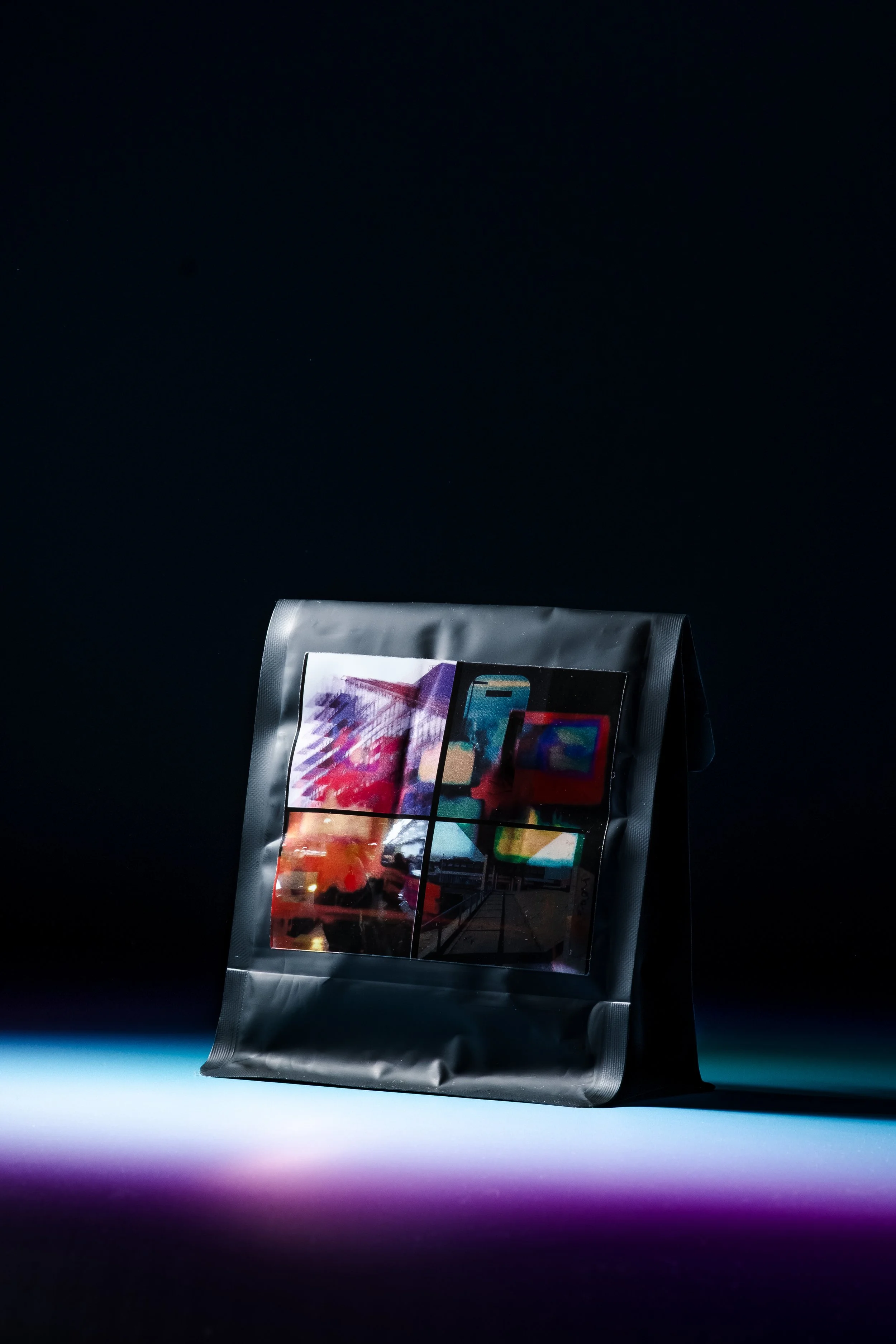
Origin: Panama
Region: Volacancito Arriba, Boquete
Farm/Producer: Finca Esther / Martin Santos Chavez
Altitude: 1450-1550m
Varietal: SL34
Process: C02 Flush ASD Natural
Harvest: 2024/25
Direct Trade and World Exclusive with MásCafé Panama
Cupping Score: 87.50
FOB(£)/Vol: £17.84/ 22.6796kg
Roastedin Light omni roast style.
We taste: Ci
The Story
Finca Minerva is part of MásCafé Panama coffee farms in Boquete Panama, located in the Chiriqui Province district of Boquete at 1550 Mts. The farm is led by Martin Santos Chavez and Esther Leung, who are at the forefront of innovation in processes such as yeasts, carbonic macerations, fermentations and slow drying.
I began speaking with Martin across Instagram in 2021, exchanging samples and was blown away by the flavour of his coffee. Now in 2025, I’m excited to be continuing to roast his coffee and to be working with him directly. Now in our 3rd year sourcing from his farm, and this year we’re back with some incredible lots.
Nested on the slopes of the Baru volcano, the conditions and diversity of the ecosystem create a unique terroir for growing coffee. Martin starts by harvesting only the ripe coffee cherries, he then puts them through a flotation process to discard all the empty beans and unripe cherries. In coffee processing, a "CO2 flush" refers to the process of injecting carbon dioxide (CO2) into a sealed container (like a fermentation tank) to create an oxygen-free (anaerobic) environment.
This technique is used in methods like carbonic maceration, which is borrowed from winemaking, and also in other controlled fermentation processes. The goal is to encourage specific types of microbial activity (like certain yeasts) that contribute to unique flavour development while inhibiting others that can lead to off-flavours. This helps to create a more predictable and controlled fermentation process, leading to more consistent and complex flavour profiles.
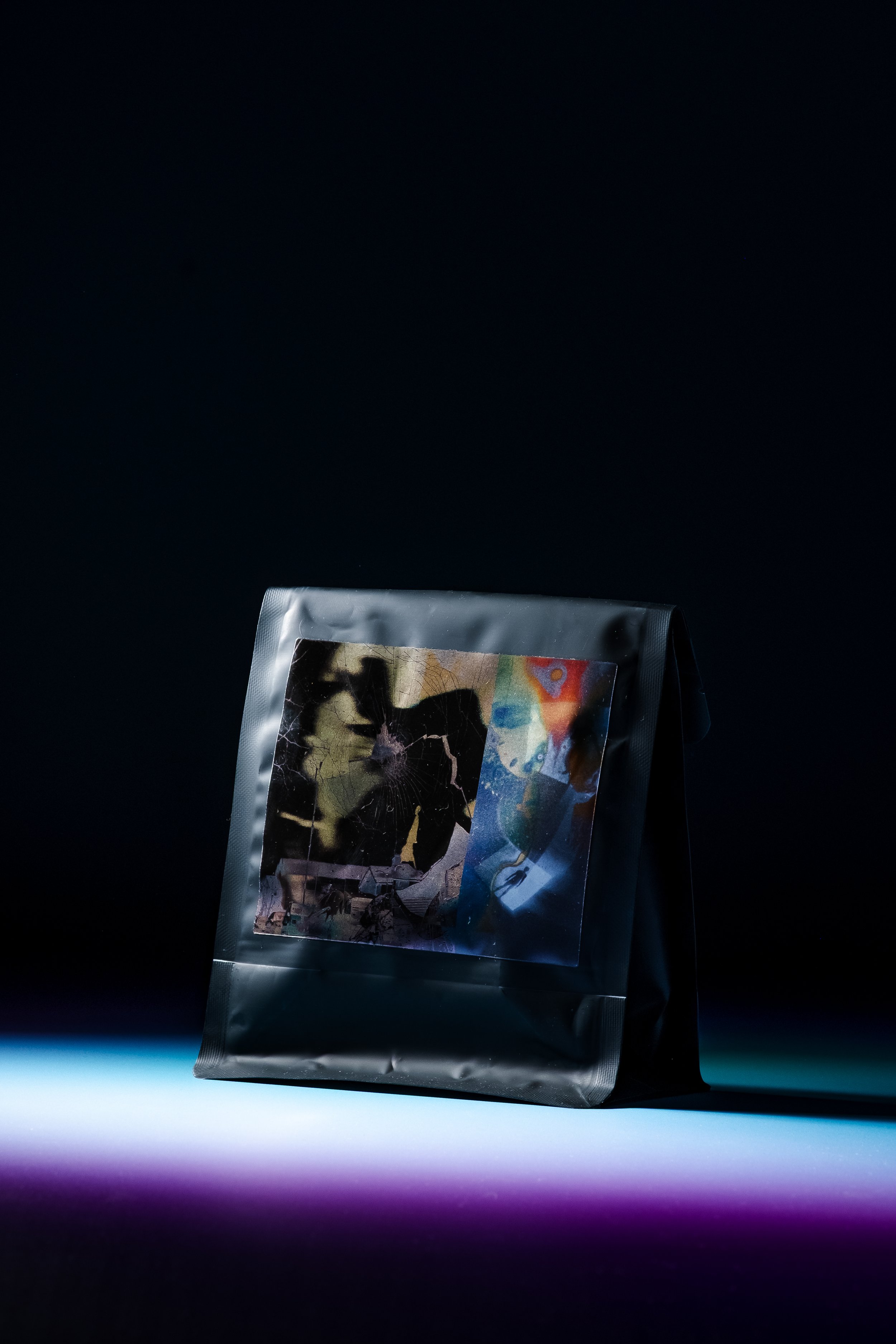
Origin: Panama
Region: Volacancito Arriba, Boquete
Farm/Producer: Finca Esther / Martin Santos Chavez
Altitude: 1450-1550m
Varietal: SL34
Process: Darkroom ASD Natural
Harvest: 2024/25
Direct Trade with MásCafé Panama
Cupping Score: 87.50
FOB(£)/Vol: £22.00/ 24kg
Roasted for Espresso & Filter
We taste:
The Story
Finca Esther & Minerva is part of MásCafé Panama coffee farms in Boquete, Panama, located in the Chiriqui Province district of Boquete at 1550 Mts. The farm is led by Martin Santos Chavez and Esther Leung, who are at the forefront of innovation in processes such as yeasts, carbonic macerations, fermentations and slow drying.
Nested on the slopes of the Baru volcano, the conditions and diversity of the ecosystem create a unique terroir for growing coffee. Martin starts by harvesting only the ripe coffee cherries, he then puts them through a flotation process to discard all the empty beans and unripe cherries. In coffee processing, the "darkroom process" refers to a controlled environment for drying coffee beans, often used to achieve specific flavour profiles and quality. This technique involves carefully regulating temperature and humidity within a sealed space, mimicking a darkroom environment for photographic film development. By manipulating these conditions, producers can influence the coffee's sweetness, acidity, and overall cup characteristics.
I began speaking with Martin across Instagram in 2021, exchanging samples and was blown away by the flavour of his coffee. Now in 2024, I’m really excited to continue to work with Martin and Esther for the 2nd year purchasing 8x more than 2023. Perhaps the most unique part of our partnership is that it’s truly direct-trade. Something that we don’t see from many other roasters, who use importers to mitigate the risk financially and organise logistics. This is part of 7 different lots from Mascafe Panama and is definitely our biggest release of the coffee calendar year.

Origin: Panama
Region: Volacancito Arriba, Boquete
Farm/Producer: Finca Esther / Martin Santos Chavez
Altitude: 1450-1550m
Varietal: Geisha
Process: Classic Washed
Harvest: 2024/25
Importer: MásCafé Panama
Cupping Score: 88.00
FOB(£)/Vol: £25.00/ 12kg
Roasted for Espresso & Filter
Direct Trade with MásCafé Panama
We taste:
The Story
Finca Esther is a part of MásCafé Panama coffee farms in Boquete Panama located in the Chiriqui Province district of Boquete at 1550 Mts. Nested on the slopes of the Baru volcano, the conditions and diversity of the ecosystem create a unique terroir for growing coffee. The farm is led by Martin Santos Chavez and Esther Leung, who are at the forefront of innovation in processes such as yeasts, carbonic macerations, fermentations and slow drying. I began speaking with Martin across Instagram in 2021, exchanging samples and was blown away by the flavour of his coffee. Now in 2025, I’m really excited and proud to be entering our 3rd year directly sourcing numerous lots to showcase the astounding work taking place on the farm’s.
Lot 30 is a classic washed process. Which was chosen to highlight Geisha’s signature delicate floral, and critusy notes that have made it such a beloved varietal. The meticulous process begins in the fields, where each cherry is handpicked one by one by the Gnobe Bugle harvesters who migrate to the coffee-growing region of Boquete for the coffee harvest. Each time selecting the ripest cherries and moving throughout the rows of coffee trees with staggering accuracy.
After harvesting, the fruit is taken to the processing area where it is floated in vats of water to remove foreign matter, leaves, branches, and unripe beans. After this classification, the fruit passes through a rapid visual classification table, another step that allows us to detect fruit with defects. followed by a floating stage to remove any underdeveloped fruit.
The cherries are then pulped to separate the beans from the skin. Next, the beans are stripped from the mucilage immediately after the pulped is removed. After this process, the beans are gently dried in raised beds or canopies for slow drying over several days. This gradual slow drying approach ensures stability throughout and helps to enhances the coffee’s nuanced flavor profile. Roasting this light to highlight the delicate Lemon ,earl grey & floral notes.
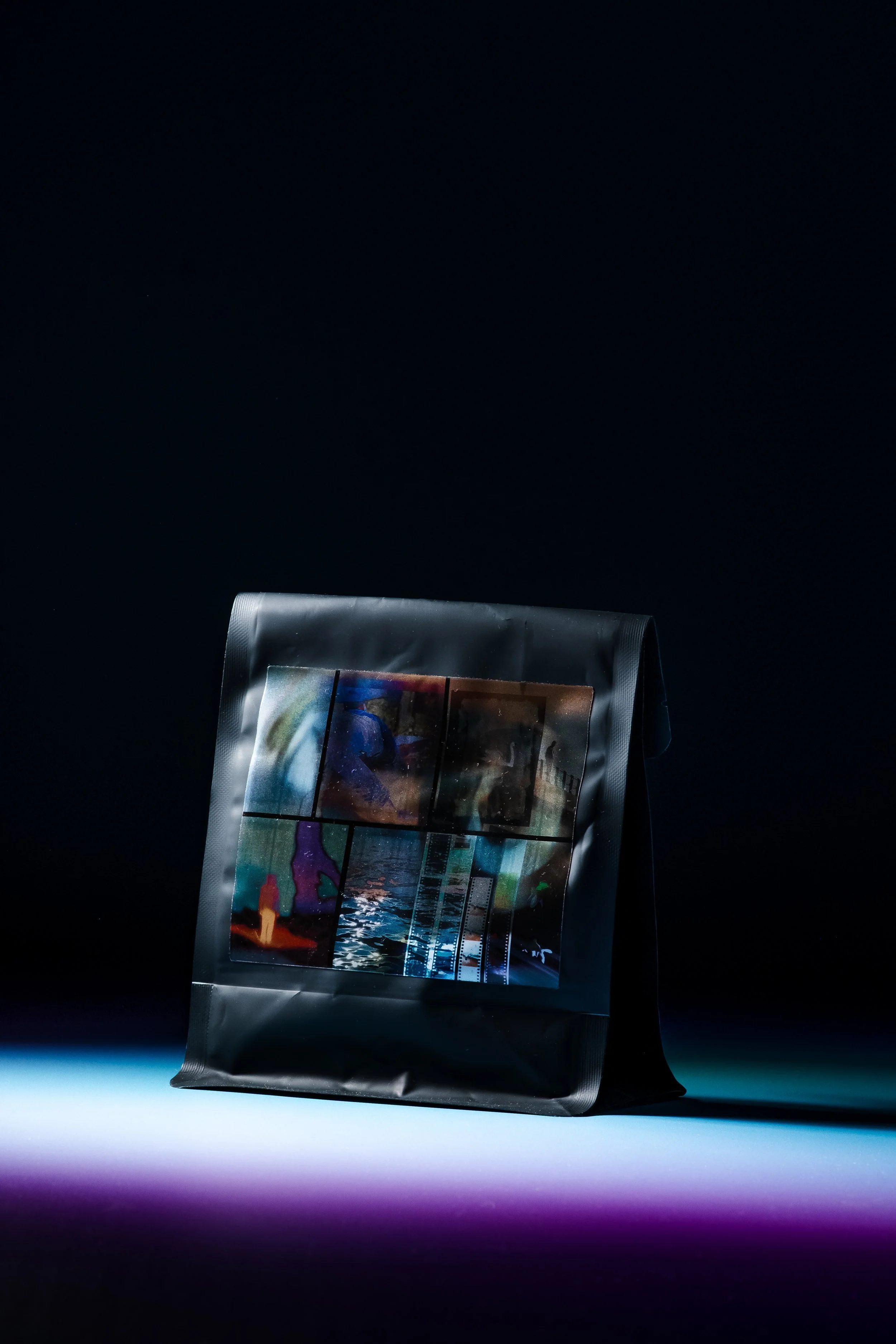
Origin: Panama
Region: Volacancito Arriba, Boquete
Farm/Producer: Finca Esther / Martin Santos Chavez
Altitude: 1450-1550m
Varietal: Geisha
Process: Classic Washed
Harvest: 2024/25
Direct Trade and World Exclusive with MásCafé Panama
Cupping Score: 88.50
FOB(£)/Vol: £30.54/ 12 kg
Roasted for Espresso & Filter
We taste:
The Story
Finca Esther is a part of MásCafé Panama coffee farms in Boquete Panama located in the Chiriqui Province district of Boquete at 1550 Mts. Nested on the slopes of the Baru volcano, the conditions and diversity of the ecosystem create a unique terroir for growing coffee. The farm is led by Martin Santos Chavez and Esther Leung, who are at the forefront of innovation in processes such as yeasts, carbonic macerations, fermentations and slow drying. I began speaking with Martin across Instagram in 2021, exchanging samples and was blown away by the flavour of his coffee. Now in 2025, I’m really excited and proud to be entering our 3rd year directly sourcing numerous lots to showcase the astounding work taking place on the farm’s.
Lot 49 is a classic washed process. Which was chosen to highlight Geisha’s signature delicate floral, and critusy notes that have made it such a beloved varietal. The meticulous process begins in the fields, where each cherry is handpicked one by one by the Gnobe Bugle harvesters who migrate to the coffee-growing region of Boquete for the coffee harvest. Each time selecting the ripest cherries and moving throughout the rows of coffee trees with staggering accuracy.
After harvesting, the fruit is taken to the processing area where it is floated in vats of water to remove foreign matter, leaves, branches, and unripe beans. After this classification, the fruit passes through a rapid visual classification table, another step that allows us to detect fruit with defects. followed by a floating stage to remove any underdeveloped fruit.
The cherries are then pulped to separate the beans from the skin. Next, the beans are stripped from the mucilage immediately after the pulped is removed. After this process, the beans are gently dried in raised beds or canopies for slow drying over several days. This gradual slow drying approach ensures stability throughout and helps to enhances the coffee’s nuanced flavor profile. Roasting this light to highlight the delicate Lemon ,earl grey & floral notes.
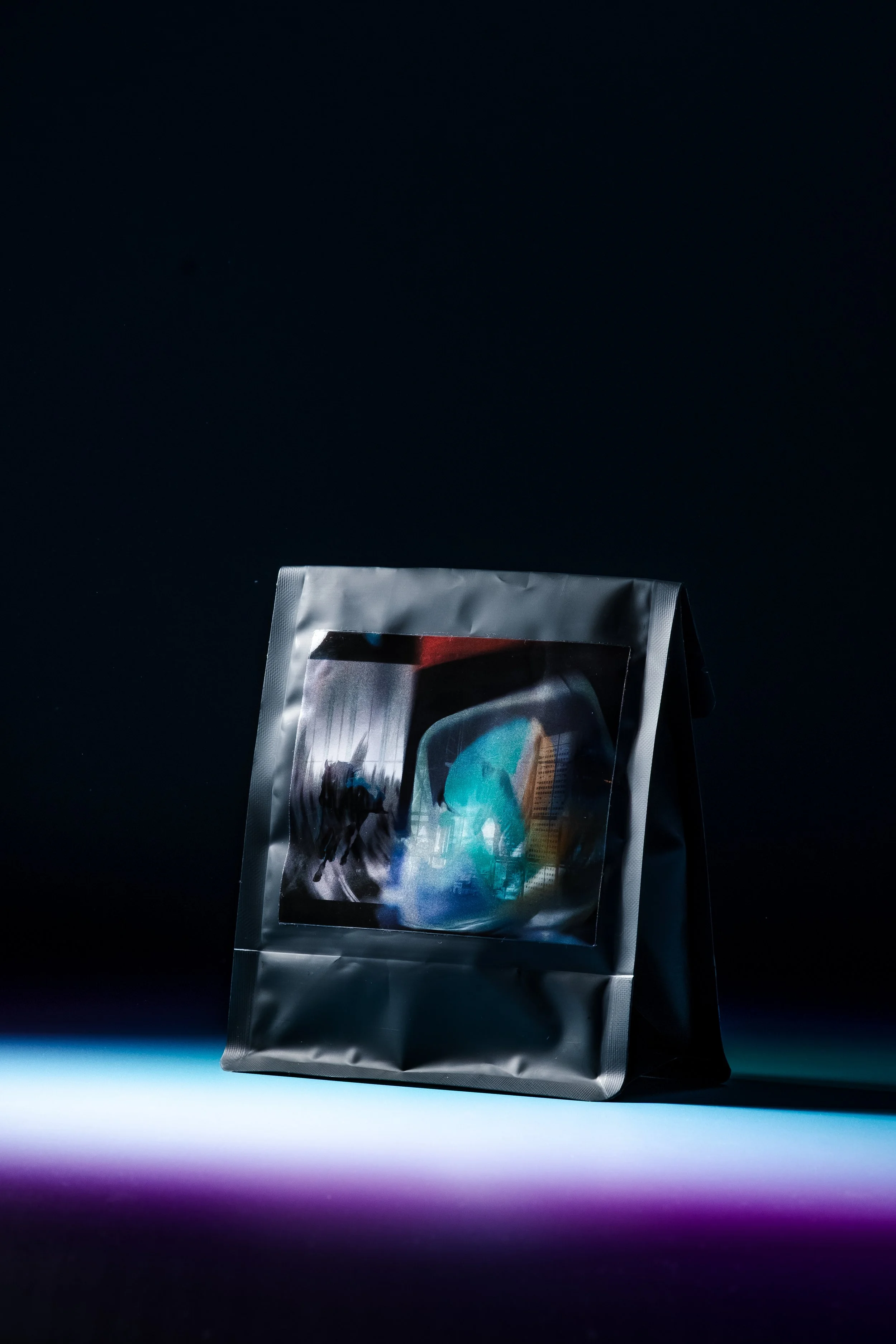
Origin: Panama
Region: Volacancito Arriba, Boquete
Farm/Producer: Finca Esther / Martin Santos Chavez
Altitude: 1450-1550m
Varietal: BOP Lot - SL34
Process: Darkroom Dehydrated C02 Flush ASD
Harvest: 2024/25
Importer: MásCafé Panama
Cupping Score: 88.00
FOB(£)/Vol: £25.00/ 12kg
Roasted for Espresso & Filter
Direct Trade with MásCafé Panama
We taste:
The Story
Finca Esther is a part of MásCafé Panama coffee farms in Boquete Panama located in the Chiriqui Province district of Boquete at 1550 Mts. Nested on the slopes of the Baru volcano, the conditions and diversity of the ecosystem create a unique terroir for growing coffee. The farm is led by Martin Santos Chavez and Esther Leung, who are at the forefront of innovation in processes such as yeasts, carbonic macerations, fermentations and slow drying. I began speaking with Martin across Instagram in 2021, exchanging samples and was blown away by the flavour of his coffee. Now in 2025, I’m really excited and proud to be entering our 3rd year directly sourcing numerous lots to showcase the astounding work taking place on the farm’s.
This BOP Lot was an entree into the SL34 category for the Best OF Panama competition.
After harvesting, the fruit is taken to the processing area where it is floated in vats of water to remove foreign matter, leaves, branches, and unripe beans. After this classification, the fruit passes through a rapid visual classification table, another step that allows us to detect fruit with defects. followed by a floating stage to remove any underdeveloped fruit.
The cherries are then pulped to separate the beans from the skin. Next, the beans are stripped from the mucilage immediately after the pulped is removed. After this process, the beans are gently dried in raised beds or canopies for slow drying over several days. This gradual slow drying approach ensures stability throughout and helps to enhances the coffee’s nuanced flavor profile. Roasting this light to highlight the delicate Lemon ,earl grey & floral notes.
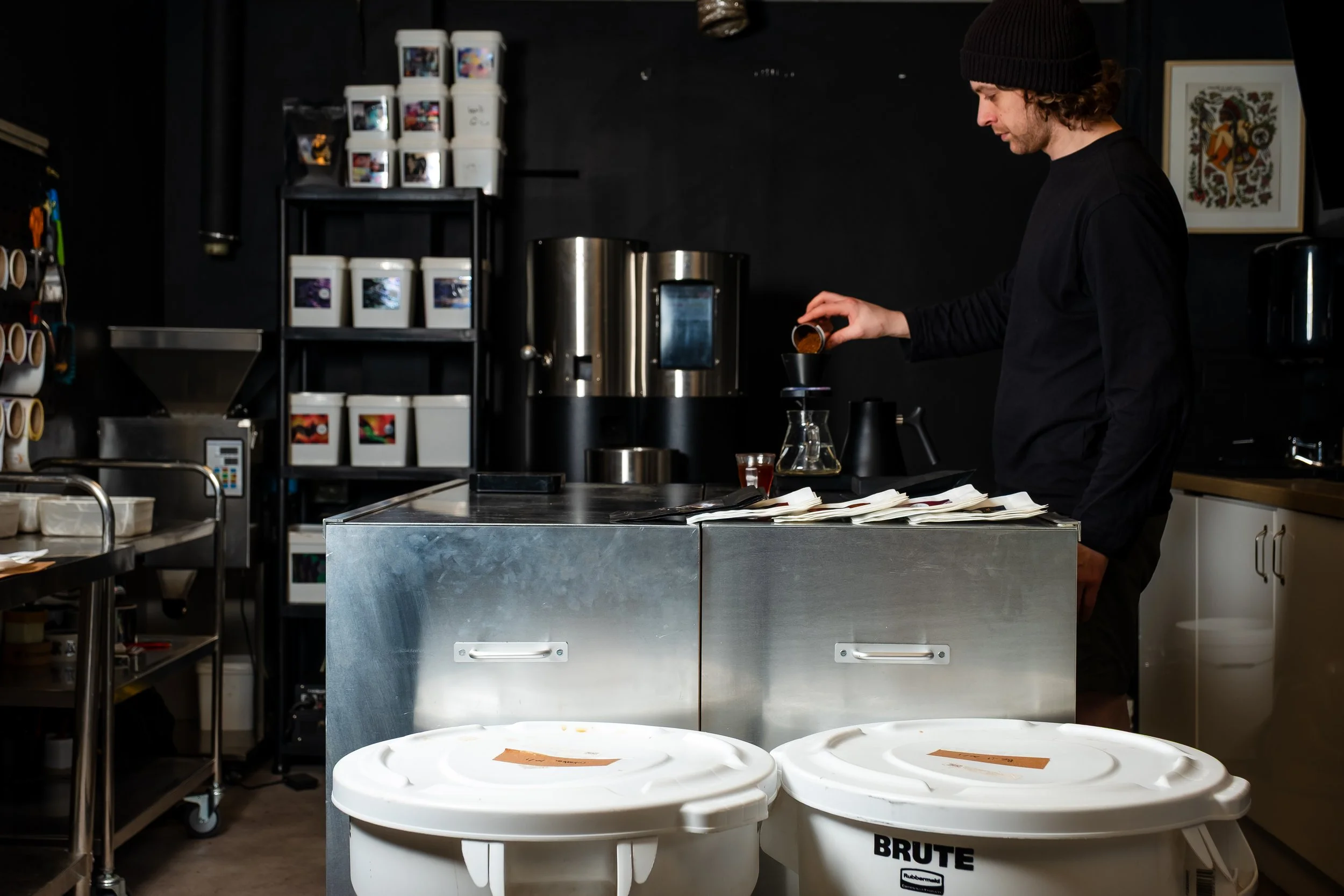
Want to serve our coffee at your cafe, office, shop, event space, factory or venue?
We’re always looking to work alongside passionate individuals and local small businesses. Especially those who share our passion towards serving outstanding coffee and developing a sustainable supply chain for coffee producer’s. Where quality, traceability, transparency and sustainability are paramount in all decisions.
Get in touch, register your interest and we’ll get in contact to talk about how we can best assist you getting Swan Song Coffee to you as soon as possible.